To Recuse or Not to Recuse: Is Ethics Alone the End of the Question?
Search & Seizure in Impaired Driving Adjudication: A Self-Study
Tribal Online Self-Study Judicial Academy New Lecture EvidenceGenetic Evidence in Personal Injury Litigation Webinar
Advanced Evidence (JS 617) – Online
Criminal Jurisdiction Civil Jurisdiction General JurisdictionGuardianship and Probate Matters
Civil Mediation
Financial Statements in the Courtroom – Online
General Jurisdiction (JS 610) – Spring
Handling Capital Cases (JS 623)
Judicial Academy
Court Administration Academy for Judges and Court Staff
Judicial Renaissance Japan
Judicial Executive Leadership by Harvard Law School Executive Education
Taking the Bench: An Interactive, Online Course for New Judges – Fall
Fundamentals of Evidence: Web-Based – Fall
Selected Criminal Evidence Issues: Web-Based JS 602
Artificial Intelligence (AI) for all Judges and Lawyers: A Comprehensive Course
Taking the Bench: An Interactive, Online Course for New Judges – Spring
Civil Mediation: An Online 40-Hour Workshop
Enhancing Judicial Bench Skills (JS 624)
Logic & Opinion Writing (JS 621)
Ethics, Fairness, and Security in Your Courtroom and Community
Handling Small Claims Cases Effectively: Web-Based
Judicial Ethics and Social Media: A Lightning Course
An Ethical Approach to the Commercial Motor Vehicle Safety Act of 1986
When Science Comes to Court: Self-Study Course on Forensic Evidence
Advanced Bench Skills: Procedural Fairness
Ethics TribalMindfulness for Judges
Special Court Jurisdiction: Advanced (JS 611)
General Jurisdiction (JS 610) – Fall
Administrative Law: Fair Hearing (JS 612)
Advanced Tribal Bench Skills: Competence, Confidence and Control
Judicial Writing (JS 615)
Strengthening the Foundation of a Tribal Court: A Self-Study Course for Court Administrators
Advanced Civil Mediation
Strengthening the Foundation of a Tribal Court: A Self-Study Course for Court Clerks
Administrative LawEvidence Challenges for Administrative Law Judges: Web-Based – Fall
Judicial Writing (JS 615) – ONLINE
Taking the Bench: An Interactive, Online Course for New Administrative Law Judges
Best Practices in Handling Cases with Self-Represented Litigants
Scientific Evidence & Expert Testimony (JS 622)
Decision Making (JS 618)
Administrative Law: Advanced (JS 649)
Ethics and Judging: Reaching Higher Ground (JS 601): Web-Based
Special Courts AppellateSpring Training for Judges: Decision-Making, Leadership, and Team Dynamics
Advanced Evidence (JS 617)
Online Course Webinar Web Self-StudyEffectively Communicating with Families That Have Missing or Abducted Children Self-Study Course
DWI Court Enhancement: A Self-Study Web Course
Probate Matters: A Self-Study Online Course
Guardianship and Probate Matters
Civil Mediation
Financial Statements in the Courtroom - Online
General Jurisdiction (JS 610) - Spring
Handling Capital Cases (JS 623)
Judicial Academy
Court Administration Academy for Judges and Court Staff
Judicial Renaissance Japan
Judicial Executive Leadership by Harvard Law School Executive Education
Taking the Bench: An Interactive, Online Course for New Judges - Fall
Fundamentals of Evidence: Web-Based - Fall
Selected Criminal Evidence Issues: Web-Based JS 602
Artificial Intelligence (AI) for all Judges and Lawyers: A Comprehensive Course
Taking the Bench: An Interactive, Online Course for New Judges - Spring
Civil Mediation: An Online 40-Hour Workshop
Enhancing Judicial Bench Skills (JS 624)
Logic & Opinion Writing (JS 621)
Ethics, Fairness, and Security in Your Courtroom and Community
Handling Small Claims Cases Effectively: Web-Based
Judicial Ethics and Social Media: A Lightning Course
An Ethical Approach to the Commercial Motor Vehicle Safety Act of 1986
When Science Comes to Court: Self-Study Course on Forensic Evidence
Advanced Bench Skills: Procedural Fairness
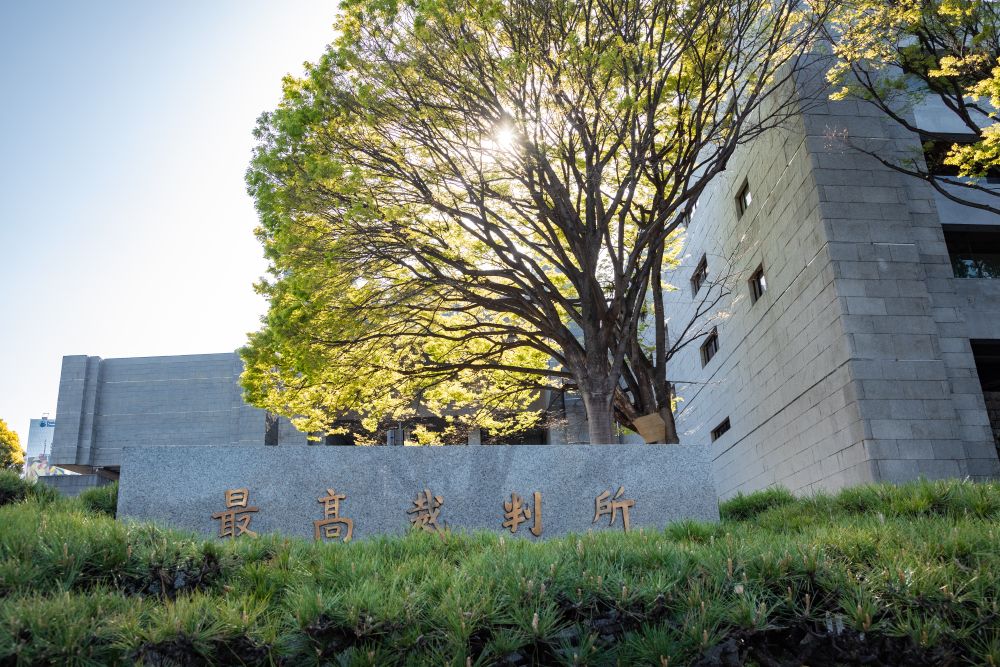
Judicial Renaissance Japan
Previous Judicial Renaissances have been held in Bordeaux, France; Seoul, South Korea; Athens, Greece; and Lisbon, Portugal.
Tuition covers course fees, a cultural activity and group dinner, and breakfast and lunches. Tuition does not include airfare, lodging or other dinners. Please click Register to join the interested list to receive updates as they become available.
The National Judicial College’s Judicial Renaissance course is an innovative and transformative experience for the judiciary. It’s an intellectual retreat that transcends the boundaries of conventional legal education, immersing judges in the deep and diverse currents from which the law itself has emerged. Here, participants will traverse the vast landscapes of history, philosophy, the arts, humanities, and sciences, uncovering the rich tapestry that informs the very essence of jurisprudence.
This is more than just a study program—it’s an intellectual odyssey that rekindles the ageless pursuit of wisdom and justice. It’s a conclave where legal minds come to learn from the past and grasp the big ideas shaping our future. With guidance from a cadre of luminaries across varied disciplines, judges will explore enduring human achievements and the foundational principles of justice.
In joining the Judicial Renaissance course, judges are not merely expanding their legal expertise; they are embarking on a quest to broaden their horizons and deepen their understanding of the human condition. It’s an invitation to be part of a community that values lifelong learning and to contribute to a dialogue that elevates the administration of justice to its noblest form. This course isn’t just an education; it’s an inspiration—a chance to engage with the big ideas revolutionizing our world and to reaffirm one’s vocation to serve the timeless cause of justice.
This course may be eligible CJE credit hours. Due to the international scope of this course, and collaboration with other international schools of judicial training, NJC cannot predict the number of CLE/CJE credits that will be approved by your state.
Registration fee includes: tuition fees, cultural activity (including a dinner), lunches. Registration does not include: airfare, lodging or dinner (except for the social activity) or other meals outside of course hours.
Registration is first come, first served. Given the significant interest, we recommend you register early.